Why I Love Teaching
My teaching philosophy is influenced by Black writer-educators – such as bell hooks, Toni Cade Bambara, June Jordan, and Audre Lorde – who saw the classroom as a space for fostering empathy, care, inclusivity, innovation, self-reflection, and critical thinking. In this regard, my teaching responsibility entails guiding students through creative-intellectual processes that empower them to become more responsible to the communities they live, learn, and work in. I do this by placing the onus on students to be active participants in their education. Using collaborative and independent assignments, my courses invite students to co-create the classroom climate, moderate the content and depth of discussions, be assertive speaking up about real-world connections to course content, and self- and peer-edit scholarship. My background as a journalist and Black feminist artist-educator additionally allows me to utilize multimedia and the arts as tools to guide students who, by the end of the semester, become adept knowledge-producers, everyday artists, and change agents in their sphere(s) of influence.
Undergraduate Courses
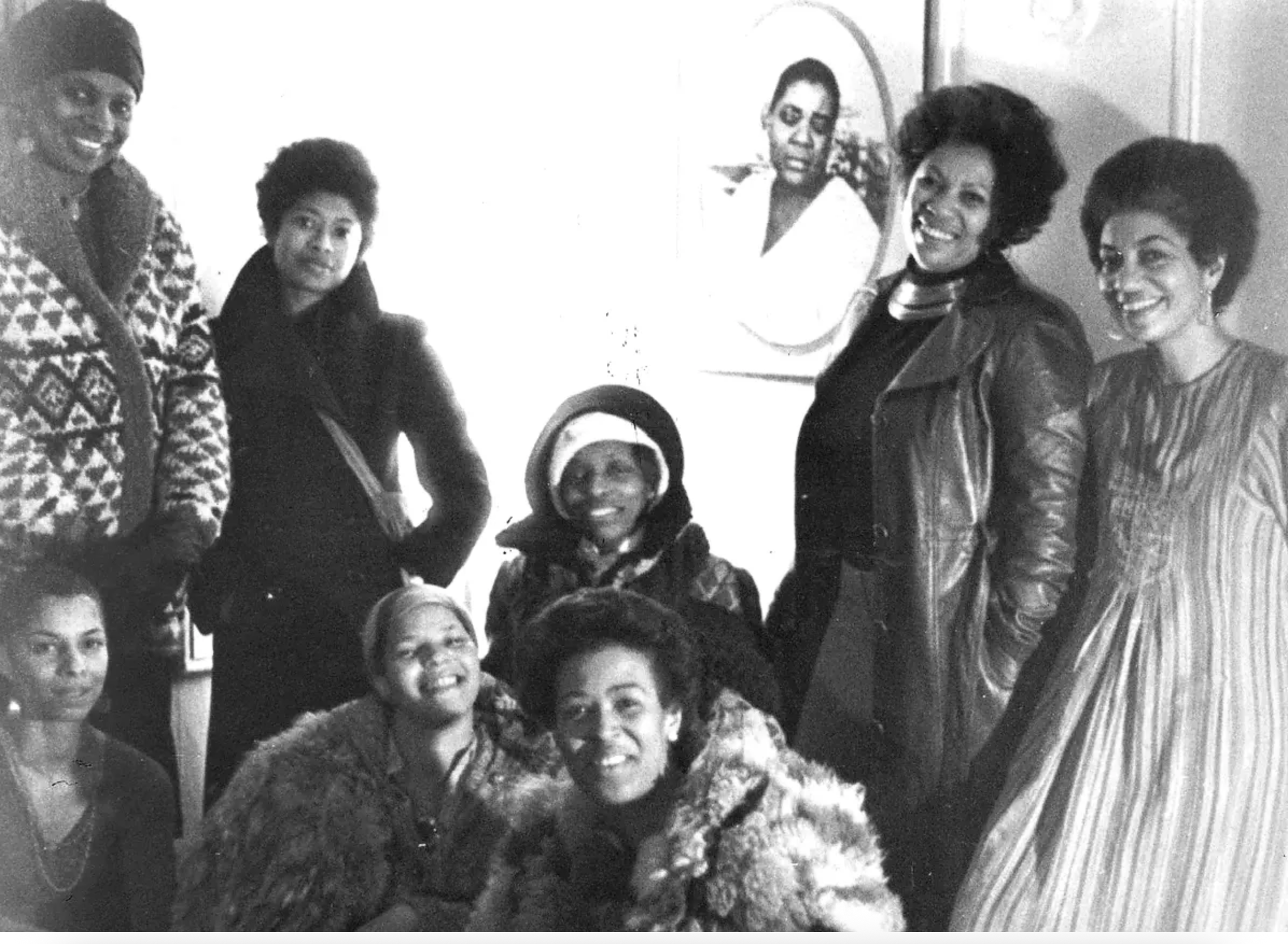
“The Sisterhood”
1977
Black Feminist Thought (Senior Seminar)
This seminar course looks at the origins and development of Black Feminist Thought in theory, artistic expression, and everyday practice. By engaging with the intellectual, artistic, and activist arms of Black Feminist and Womanist Thought through the works of figures such as Ida B. Wells, Patricia Hill Collins, bell hooks, Fannie Lou Hamer, and Alice Walker, among others, students learn that Black Feminism is more than a theory – it is a way of being and transforming the world. By the end of the semester, students will have also produced a 25-30 page senior thesis.
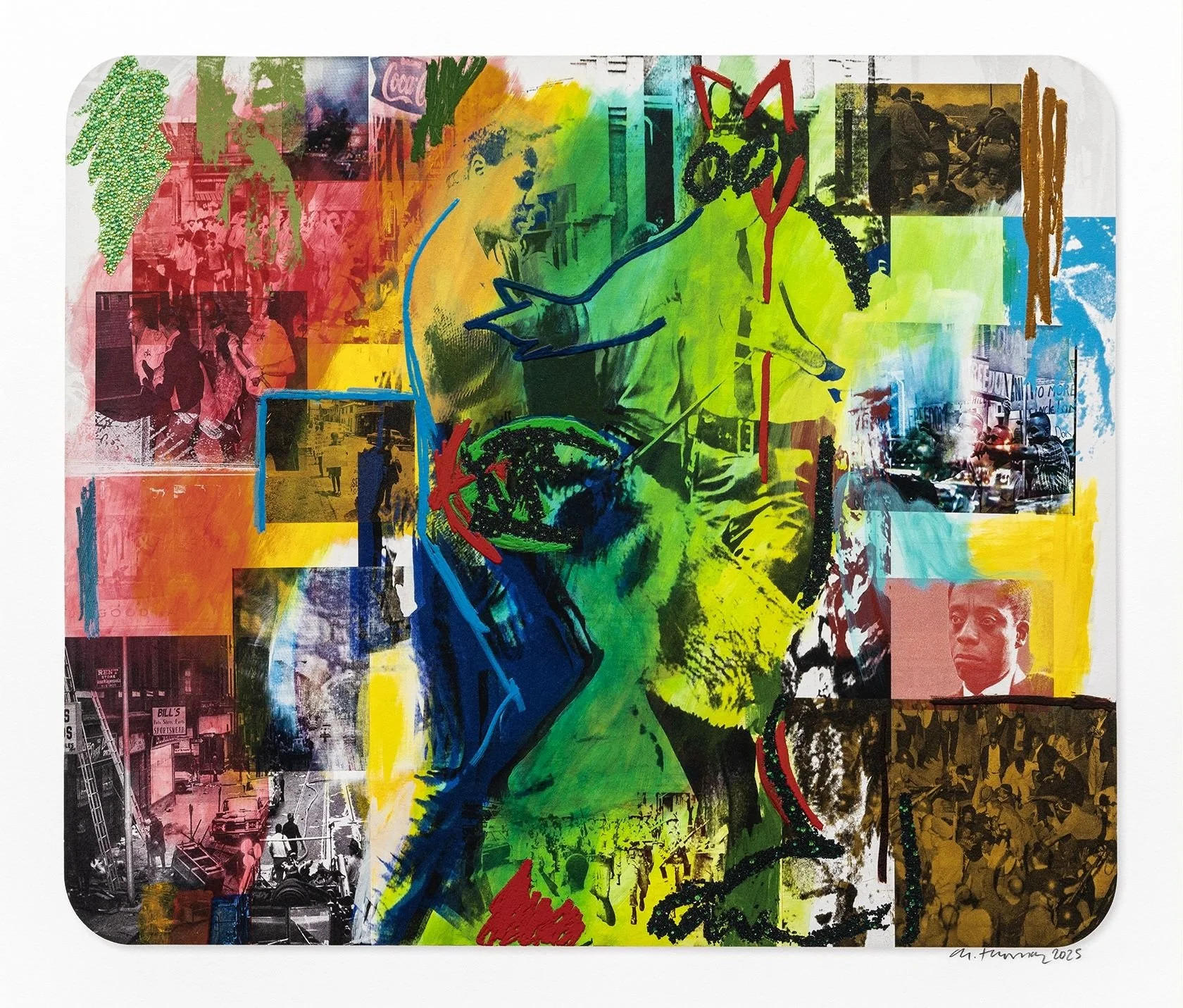
“Resist”
Mickalene Thomas, 2017.
English Composition II: “Black Arts, Black Liberation”
This course reviews the expository essay and introduces the student to the process of researching and composing a substantial term paper. It also introduces the student to the study of three genres of literature: drama, poetry, and short story. Throughout the semester, students consider the responsibility of the Black writer, and how Black arts play a role in Black liberatory struggle.
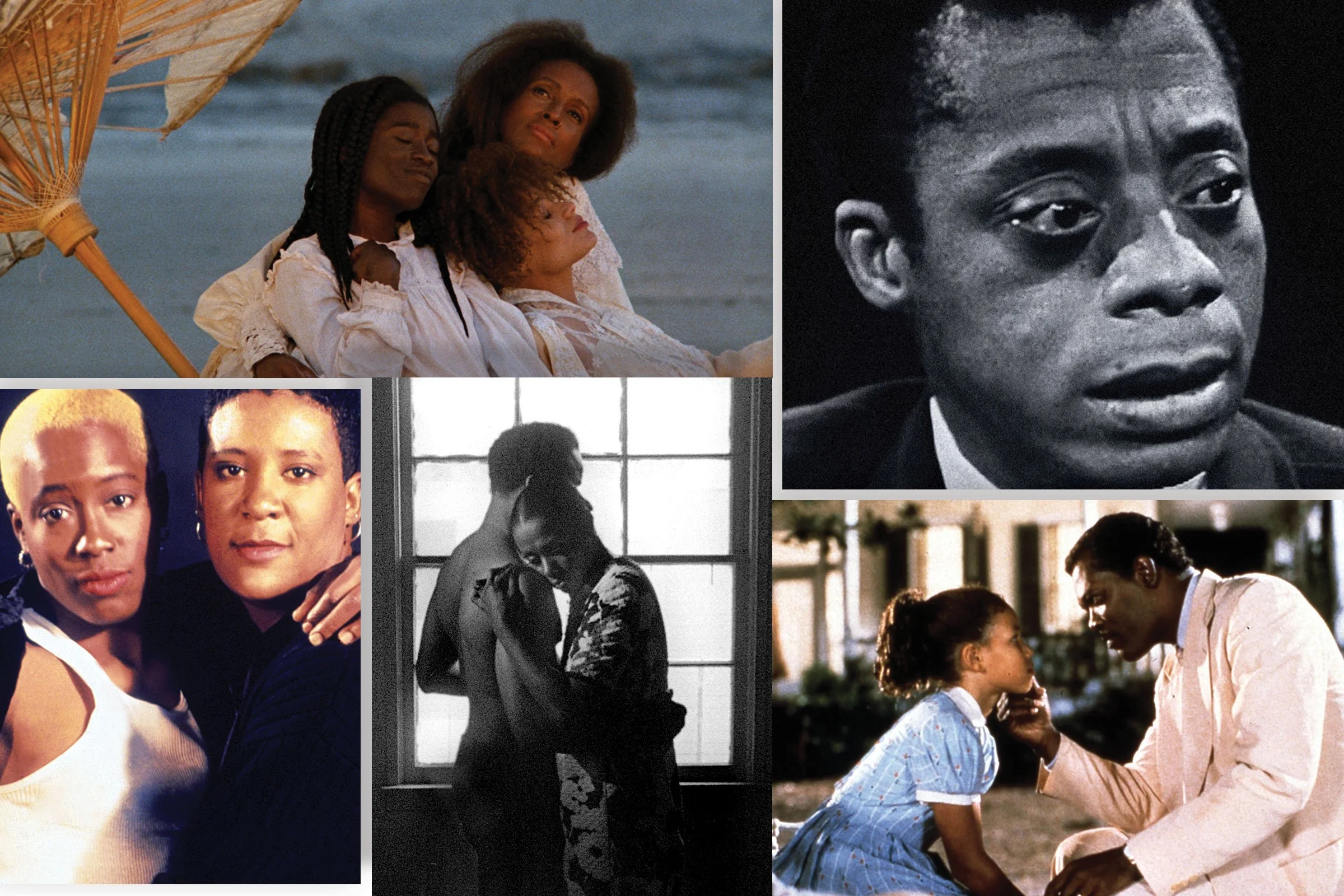
Intro to Black Cinema
This course explores visual literacy through a study of film techniques and history. Relationships to narrative art and to humanistic tradition are examined. Across several thematic units, students will examine how Black beingness and representations of Blackness intersect with the "politics of looking," as informed by critics, scholars, and filmmakers such as bell hooks, Christina Sharpe, Julie Dash, Kathleen Collins, Spike Lee, Jordan Peele, Ousmane Sembène, and more. Through close analysis of film and related visual media, students will consider how cinematic form shapes, challenges, and reimagines Black life and identity across race, gender, sexuality, class, ethnicity/nationality, and diasporic experience. Follow my Letterboxd!

“There is A Woman in Every Color”
Elizabeth Catlett, 1975.
Studies in African American Literature:
“Gender, Sexuality, and Affect in Black Literature & Media”
This course reviews the interconnections of gender, sexuality, and affect in African American literature and visual media. We will examine how specific affects — anger/rage, love/care, shame/desire, joy/rebellion — not only shape intersectional experiences of race, gender, and sexuality in African American cultural expressions, but also influence how we all perceive and navigate the world as we know it.
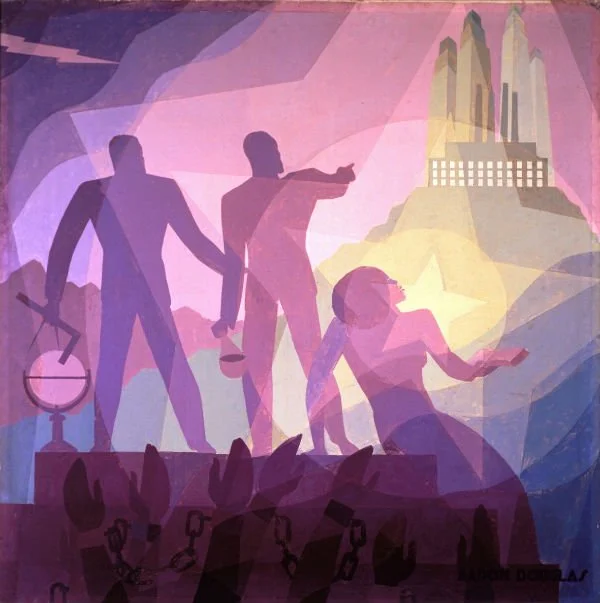
“Aspiration”
Aaron Douglas, 1936.
Survey of American Literature
This survey course covers four centuries of American letters: Puritanism/Deism, Romanticism, Realism/Regionalism, Modernism, and Postmodernism. Among authors read and discussed are Thomas Paine, Olaudah Equiano, Phillis Wheatley, Frances E.W. Harper, Edgar Allan Poe, Kate Chopin, W.E.B. DuBois, Ernest Hemingway, Ralph Ellison, Nikki Giovanni, and Toni Morrison.